An educational film about green windbreaks
As part of the project ‘Adapting to the Impacts of Climate Change in the Vipava Valley’ (LIFE ViVaCCAdapt, LIFE15 CCA/SI/000070), a short educational film has been produced to present green windbreaks, their benefits, and how they are installed and used.
IDES – a new project in the Danube region
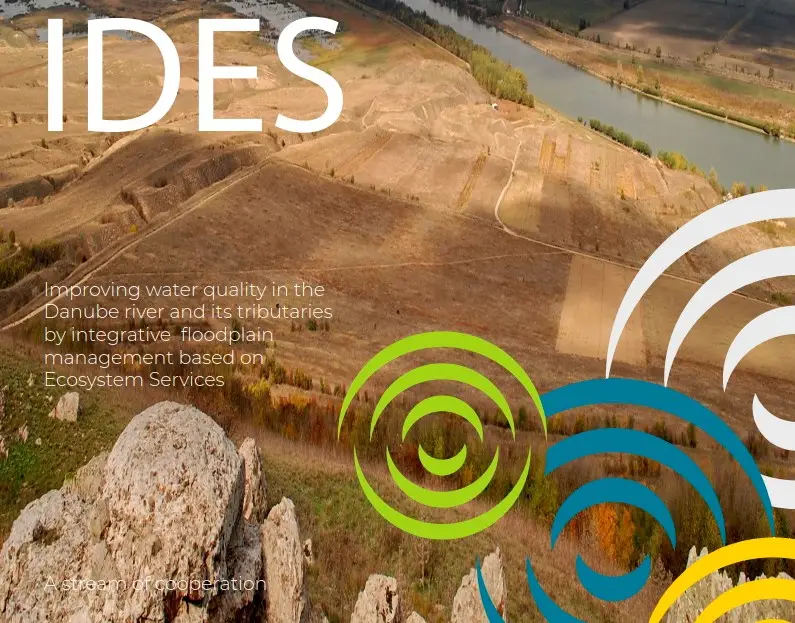
The aim of the project is to improve the water quality of the River Danube and its tributaries through the integrated management of floodplains and the identification of their ecosystem services.
Invitation to the ‘Clean Coast 2020’ clean-up campaign
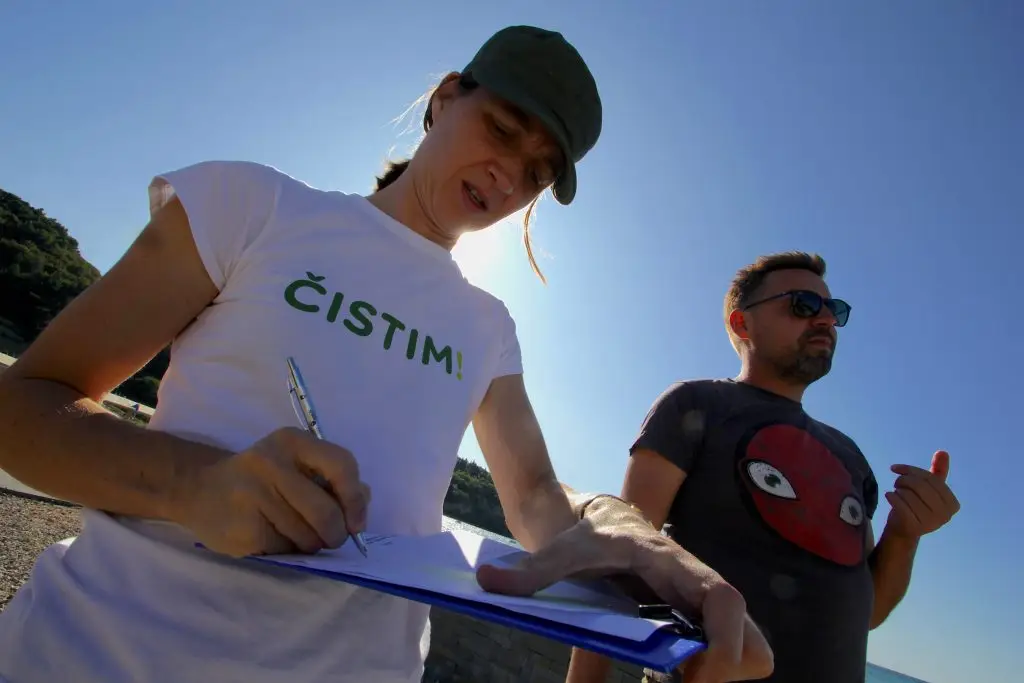
Please register for the event by Wednesday, 16 September 2020 at the latest by emailing: uros.robic@izvrs.si. In addition to the names of the participants, please provide a contact telephone number and your preferred location for the clean-up. Please indicate which members of the group are children (aged 14 or under).
Marine litter – teaching resources for primary and secondary school teachers
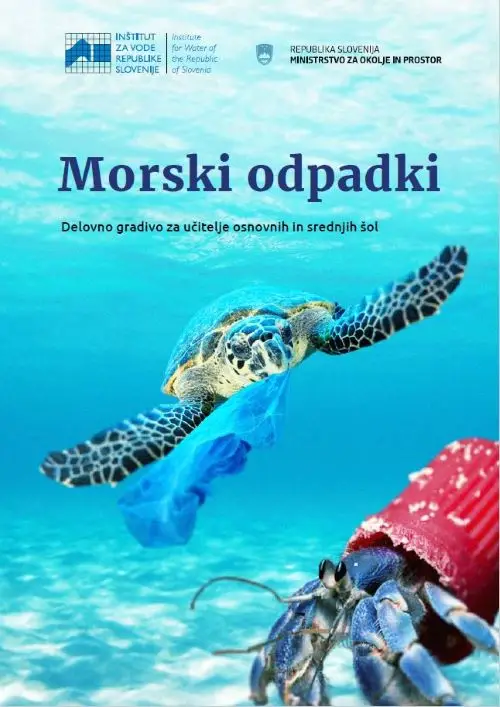
This resource is intended for teachers in primary and secondary schools who would like to learn more about the issue of marine litter, find inspiration for incorporating this topic into their lessons, and thereby do something positive for the environment.
A Guide to the Identification and Integration of Green Infrastructure into the Built Environment – Technical and Legal Recommendations
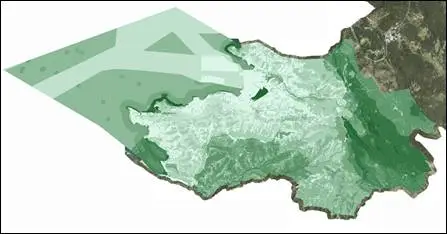
Europe’s transition towards a green, sustainable economy requires the preservation of the natural environment and the strong integration of its benefits – or ecosystem services – into all sectoral objectives.
The Future of Slovenia in the Context of Climate Change – Is Water Retention a Necessity or an Option in the Process of Adapting to Climate Change?
On 30 January, a conference entitled ‘The Future of Slovenia in the Light of Climate Change – Is water retention a necessity or an opportunity in the process of adapting to climate change?”.
What is Green Infrastructure along rivers?
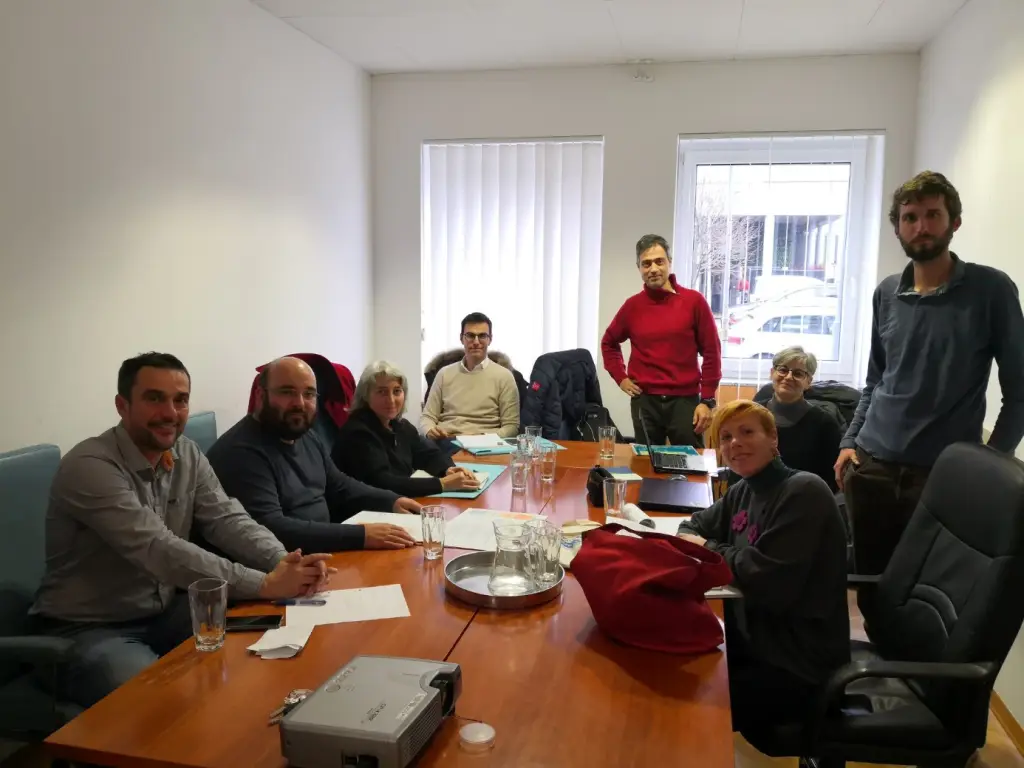
We sought an answer to this question during the last few days of December at a working meeting of the partners with whom we are collaborating on Work Package 3.1, where we are preparing a Long-Term Cross-Border Plan for the Development and Protection of Green Infrastructure on the Soča, Vipava and Livenza rivers. The GREVISLIN project is co-funded by the Interreg Italy–Slovenia Cross-Border Cooperation Programme.
The Institute is moving to new premises (Einspielerjeva 6, Ljubljana)
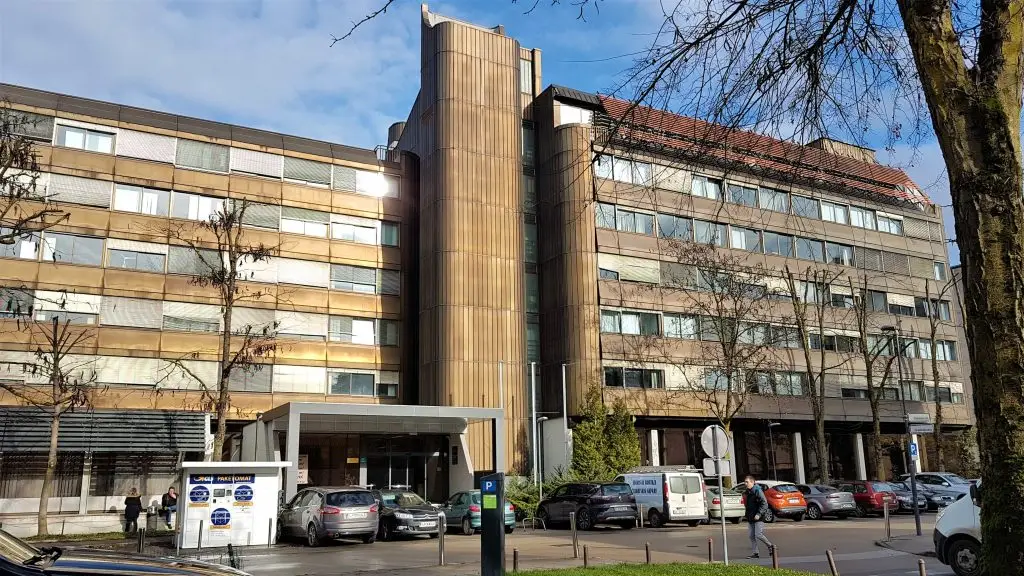
We would like to inform you that the Water Institute of the Republic of Slovenia will be moving to new premises on 6 December 2019. From 9 December 2019 onwards, the Institute’s new address will be Einspielerjeva 6, 1000 Ljubljana. Due to the move, we will be unavailable by telephone and email from 2.00 pm on Friday 6 December 2019 until, we expect, Monday 9 December 2019.
MACEDONIANS RECOGNISE THE ROLE OF CARETAKERS IN ADAPTING TO CLIMATE CHANGE
At the invitation of its Macedonian colleagues from the Cyril and Methodius University of Skopje and the Macedonian Chamber of Engineers, the Institute for Water participated in a problem-oriented conference ‘WATER MANAGEMENT AND HYDRAULIC ENGINEERING CHALLENGES’, highlighting the added value of retention basins for the local area and their role in the process of adapting to climate change.
The Slovenian Water Institute will take part in a public debate as part of the ‘Slovenian Development Days’ event
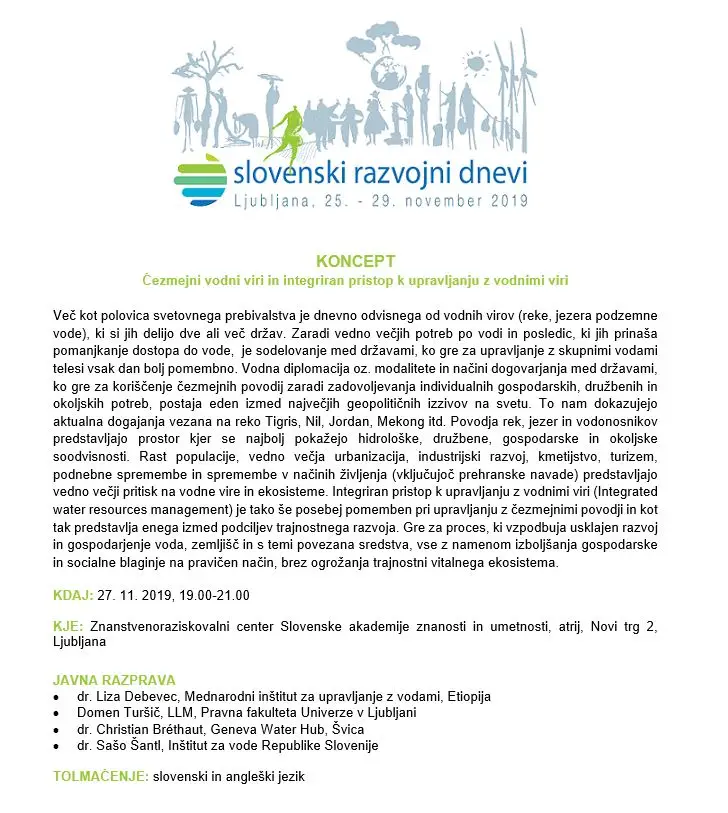
The event, which is taking place in Ljubljana between 25 and 29 November 2019 and is organised by the Ministry of Foreign Affairs, focuses on climate change and the challenges it presents.